

Cabo San Lucas Driving Tips: Your Ultimate Road Guide
Planning a trip to the sun-drenched shores of Baja California Sur often conjures images of pristine beaches, vibrant nightlife, and luxurious resorts Cabo San Lucas Travel Tips.
This comprehensive guide offers essential Cabo San Lucas driving tips, designed to equip you with the knowledge needed to confidently navigate the roads of Los Cabos Cabo San Lucas Vacation Transportation.
Understanding the Local Driving Culture in Los Cabos
Driving in Los Cabos, while generally straightforward on main highways, can differ significantly from what many international visitors are accustomed to SJD Airport transfer service.
- Patience is Key: Traffic flow, especially during peak tourist seasons or in town centers like Cabo San Lucas and San José del Cabo, can be slow. Impatience will only lead to frustration.
- Defensive Driving: Always anticipate the unexpected. Drivers may make sudden stops, change lanes without signaling, or pull out into traffic unexpectedly. Keep ample space between your vehicle and others.
- Turn Signals and Hazard Lights: While turn signals are used, you might also see drivers use their left turn signal to indicate it’s safe for the car behind them to pass on a two-lane highway. Hazard lights are often used to indicate a temporary stop or slow-moving vehicle, even on the shoulder.
- Pedestrians and Cyclists: Pedestrians, often including families with children, may cross streets unexpectedly, sometimes not at marked crosswalks. Cyclists are common on major roads and may not always have proper lighting or reflective gear, especially at night. Always yield and exercise extreme caution.
- Topes (Speed Bumps): These are ubiquitous throughout Mexico, designed to slow traffic, particularly in towns and near residential areas. They can range from gently rolling bumps to aggressively high ones that can damage your vehicle if hit at speed. Always look for signs (often a picture of a speed bump) and slow down significantly. Some topes are unmarked or poorly visible, so maintain vigilance.
Navigating SJD Airport and Major Roads Around Los Cabos
Your journey by car in Los Cabos will likely begin at Los Cabos International Airport (SJD) airport transfers to Los Cabos hotels.
Exiting SJD Airport
Upon arrival at SJD, if you’ve rented a car, you’ll typically take a shuttle to the rental agency’s off-site location Los Cabos Travel Transportation Tips.
Highway 1 (The Transpeninsular Highway)
This is the main artery connecting the entire Baja California peninsula and the primary road through the Los Cabos corridor, linking San José del Cabo and Cabo San Lucas private airport transportation services.
- Toll Roads: There is a toll road (Cuota) that bypasses parts of Highway 1, especially around the airport and San José del Cabo, offering a faster route with less traffic. This road is modern and well-maintained. Make sure you have Mexican pesos for the tolls, as credit cards are not always accepted.
- Signage: Road signs are in Spanish. Familiarize yourself with common terms like “Alto” (Stop), “Curva Peligrosa” (Dangerous Curve), “Despacio” (Slow), “Desviación” (Detour), and “Peligro” (Danger). Distances are measured in kilometers.
- Roundabouts: You’ll encounter several roundabouts (glorietas), particularly in San José del Cabo. Yield to traffic already in the roundabout.
Essential Driving Laws and Regulations in Baja California Sur
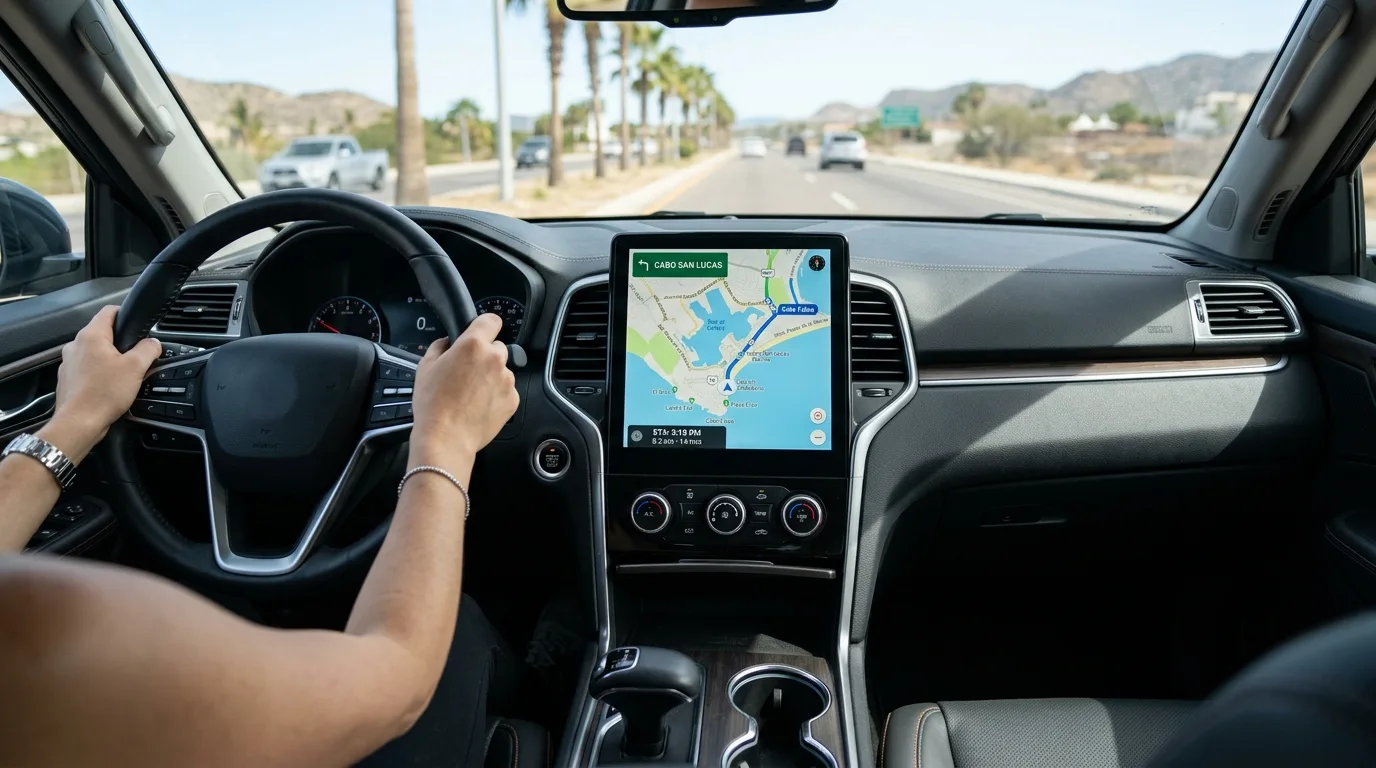
Adhering to local driving laws is not only about safety but also about avoiding fines and complications private chauffeur services.
- Driver’s License and Permits: A valid foreign driver’s license is generally accepted for tourists in Baja California Sur. An International Driving Permit (IDP) is not legally required but can be helpful as a translation of your license, though most rental agencies and traffic police are familiar with U.S. and Canadian licenses. Always carry your driver’s license, passport, car rental agreement, and car insurance documentation.
- Seatbelts: Seatbelt use is mandatory for all occupants, front and rear.
- Cell Phones: Using a handheld cell phone while driving is illegal. Hands-free devices are permitted.
- Drinking and Driving: Mexico has a zero-tolerance policy for drinking and driving. The legal blood alcohol content (BAC) limit is effectively zero. Even one alcoholic drink can put you over the limit. Penalties are severe and can include jail time.
- Speed Limits: Speed limits are posted in kilometers per hour (km/h). They typically range from 30-60 km/h (18-37 mph) in urban areas and 80-100 km/h (50-62 mph) on highways. Always observe posted limits.
- Insurance: Mexican law requires all drivers to have third-party liability insurance from a Mexican insurer. Your personal car insurance from your home country or credit card coverage typically does not cover liability in Mexico. Rental car companies will offer this; it is non-negotiable and essential.
- Police Interactions: Should you be pulled over, remain calm and polite. Have your documents ready. If a police officer requests a bribe (known as “mordida”), politely insist on a written ticket and ask to pay it at the police station. Corruption exists, but tourists who are calm and assertive often avoid issues. Never surrender your driver’s license unless you receive a written ticket.
Car Rental Considerations: Is it Right for Your Cabo Trip?
Renting a car in Cabo San Lucas can offer unparalleled freedom, but it also comes with responsibilities and potential pitfalls. Careful planning is crucial.
Pros and Cons of Renting a Car
Pros:
- Flexibility: Explore at your own pace, visit remote beaches, or take day trips off the main tourist corridor.
- Cost Savings (for groups): For families or groups, a rental car can be more economical than multiple taxis or tours, especially for longer stays.
- Convenience: Easy access to grocery stores, specific restaurants, or activities without waiting for taxis.
Cons:
- Navigation Challenges: Unfamiliar roads, Spanish signage, and sometimes confusing routes.
- Cost: Rental fees, mandatory Mexican insurance, gas, and potential tolls can add up.
- Parking: Can be challenging and costly in popular areas.
- Safety Concerns: Night driving, roadside issues, and potential police interactions.
- Stress: The added responsibility of driving in a foreign country can reduce relaxation for some travelers.
Insurance is Non-Negotiable
This cannot be stressed enough. When renting a car in Mexico, you must purchase Mexican liability insurance. Your existing U.S. or Canadian policy, or even credit card rental insurance, almost certainly does not cover third-party liability in Mexico. Without it, you could face serious legal consequences in the event of an accident, including detention until fault and damages are sorted out. Reputable rental companies will make this clear.
Inspecting the Vehicle
Before driving off the lot, thoroughly inspect your rental car for existing damage (scratches, dents, tire condition) and ensure it’s documented on your rental agreement. Test the lights, horn, windshield wipers, and air conditioning. Make sure the spare tire and jack are present and in good condition.
Gas Stations and Fueling
Gas stations (Pemex, or other brands) are readily available along Highway 1 Los Cabos International Airport (SJD) Official Site.
Road Conditions and Infrastructure: What to Expect on Cabo San Lucas Roads
The road infrastructure in Los Cabos is generally good for a Mexican tourist destination, but it’s not without its quirks.
- Main Highways: Highway 1 and the toll road are well-maintained, but you may still encounter potholes or uneven surfaces, especially after heavy rains.
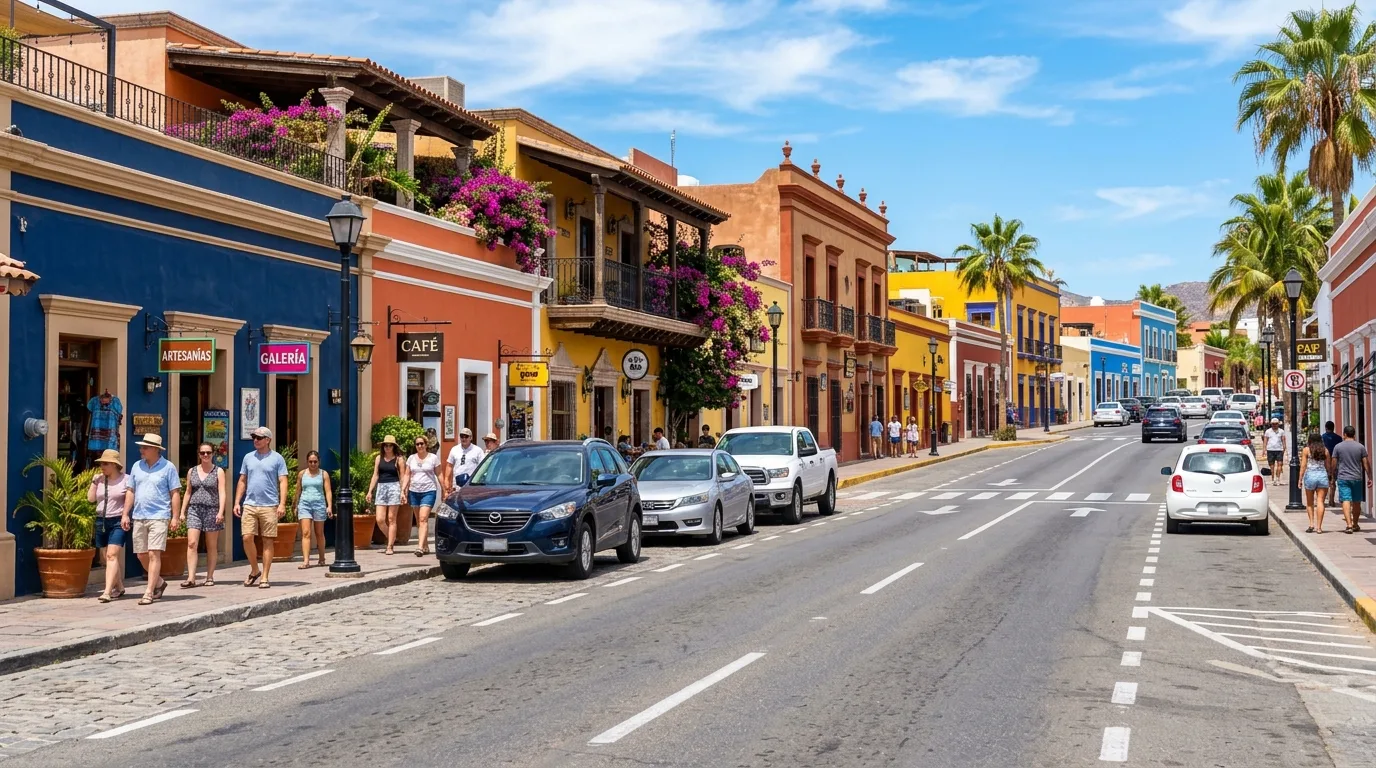
- Urban Roads: Streets within Cabo San Lucas and San José del Cabo can be narrower, with more traffic, pedestrians, and unmarked topes. Some older parts of town have cobblestone streets.
- Off-Roading: While tempting, stick to paved roads unless you have a 4×4 vehicle specifically designed for off-roading, and even then, understand the risks. Many remote beaches require driving on unpaved, sandy, or rocky roads. Verify with your rental company if off-road driving is permitted under your agreement.
- Street Lighting: Outside of the main tourist corridor and town centers, street lighting can be poor or non-existent. This is a major reason why night driving is generally discouraged.
Safety Tips for Driving in Cabo San Lucas
Prioritizing safety should be at the forefront of your mind when behind the wheel.
- Avoid Night Driving: As mentioned, poor lighting, unlit vehicles, pedestrians, and livestock can make night driving hazardous, especially on less-traveled roads. Plan your trips to arrive at your destination before sunset.
- Secure Valuables: Always keep valuables out of sight, locked in the trunk, or take them with you when parking. Never leave anything visible in your car, even for a short stop.
- Stay Alert: Long drives, especially under the strong Baja sun, can be tiring. Take breaks, stay hydrated, and ensure you’re well-rested.
- Use GPS/Navigation: While paper maps can be helpful, a reliable GPS or smartphone navigation app (like Google Maps or Waze, with offline maps downloaded) can be invaluable for navigating Cabo San Lucas roads.
- Share Your Itinerary: If you’re venturing off the main tourist paths, inform someone of your plans and expected return time.
Parking in Cabo San Lucas and San José del Cabo
Finding parking in popular areas can be tricky, especially during peak season.
- Hotel/Resort Parking: Most hotels and resorts offer secure, often complimentary, parking for guests.
- Street Parking: Available in many areas, but pay attention to signs. Yellow curbs often indicate no parking. Always park in well-lit, populated areas.
- Public Parking Lots: Both Cabo San Lucas and San José del Cabo have paid parking lots in their downtown areas. These are often the safest and most convenient option. Rates are usually reasonable.
- Valet Parking: Some restaurants or larger establishments offer valet services.
Dealing with Roadside Assistance and Accidents
Despite best intentions, roadside issues or accidents can happen official Los Cabos tourism information.
- Roadside Assistance: Most rental car companies offer roadside assistance. Have their contact number readily available.
- The Green Angels (Angeles Verdes): This is a free, government-sponsored bilingual roadside assistance service for tourists, identifiable by their green trucks. They patrol major highways (including Highway 1) and can assist with minor repairs, directions, or medical help. Their services are invaluable. You can call 078 to reach them.
- In Case of an Accident:
- Do not move your vehicle unless it’s blocking traffic and it’s safe to do so.
- Ensure everyone is safe.
- Contact your rental car company and your Mexican insurance provider immediately. They will guide you through the process and dispatch an adjuster.
- Call the local police (911).
- Do not admit fault or discuss blame with other drivers or witnesses. Let your insurance adjuster handle communication.
- Take photos of the accident scene, vehicles, and any damage.
- If there are injuries, medical attention takes precedence.
Public Transportation vs. Driving: Weighing Your Options
While driving offers independence, it’s not the only way to get around Los Cabos. Weighing alternatives can help you decide if a rental car is truly necessary.
- Taxis: Readily available but can be expensive, especially for longer distances or frequent use. Always confirm the fare before beginning your journey.
- Buses: An economical option, especially for travel between Cabo San Lucas and San José del Cabo along Highway 1. However, they can be crowded, lack air conditioning, and are not ideal for exploring off the main routes or with significant luggage.
- Ride-Sharing Apps: Services like Uber are available in Los Cabos, but their legal status and availability can sometimes be contested by local taxi unions, leading to potential issues or limited coverage in certain areas.
- Hotel Shuttles/Tour Operators: Many resorts offer shuttle services, and various tour companies provide transportation as part of their excursions.
When to Consider Private Airport Transportation
Given the considerations involved with driving in Cabo San Lucas, many travelers opt for the convenience and peace of mind that comes with private transportation, especially for airport transfers or specific excursions. For families, groups, or those simply wishing to start their vacation stress-free, a pre-booked private service is often the best choice.
Companies like Cabo Airport Ride specialize in reliable, comfortable, and safe private airport transportation from SJD Airport to hotels, resorts, and vacation rentals throughout Los Cabos, Cabo San Lucas, and San José del Cabo. Opting for SJD Airport transfer service eliminates the hassle of navigating unfamiliar roads immediately after a flight, dealing with car rental queues, or worrying about parking. It’s an ideal solution for ensuring a smooth start and end to your trip, allowing you to relax and enjoy the stunning scenery from the moment you arrive. For a seamless journey from the airport to your destination, consider private transportation as a premium alternative to self-driving. Explore our options for airport transfers to Los Cabos hotels and discover how we can enhance your travel experience.
Frequently Asked Questions
Is it safe for tourists to drive in Cabo San Lucas?
Generally, it is safe for tourists to drive in Cabo San Lucas and the Los Cabos corridor. Major roads like Highway 1 are well-maintained. However, it requires awareness of local driving customs, strict adherence to traffic laws, and practicing defensive driving. Avoiding night driving and being vigilant for topes and pedestrians are crucial safety measures.
Do I need an International Driving Permit (IDP) to drive in Cabo?
No, an International Driving Permit (IDP) is not legally required for U.S. and Canadian citizens driving in Baja California Sur. Your valid national driver’s license is generally accepted by rental agencies and local authorities. However, an IDP can be useful as a supplementary document for translation, though it is not a standalone license.
What are “topes” and how should I deal with them?
“Topes” are speed bumps, and they are very common in Mexico Los Cabos municipal tourism information.
Is car rental insurance mandatory in Mexico?
Yes, Mexican law mandates that all drivers carry third-party liability insurance from a Mexican insurance provider. Your personal car insurance from your home country or credit card coverage typically does not satisfy this requirement. Rental car companies will offer this as part of the rental process, and it is essential to accept it to avoid legal complications in case of an accident.
Can I pay for gas with a credit card in Los Cabos?
While some gas stations accept credit cards, it’s highly recommended to pay with Mexican pesos. Credit card machines can be unreliable, and there’s a higher risk of card skimming or overcharging. Always confirm the pump is reset to zero, watch the attendant, and pay with small denominations of pesos if possible.
What should I do if I get pulled over by the police?
Remain calm, polite, and cooperative. Have your driver’s license, passport, rental agreement, and insurance documents ready. If an officer implies a bribe (“mordida”), politely but firmly insist on receiving a written ticket and ask to pay it at the police station. Never surrender your driver’s license without receiving a formal citation.
Are there toll roads in Los Cabos?
Yes, there is a modern toll road (Cuota) that runs parallel to parts of the main Highway 1, particularly around SJD Airport and San José del Cabo official Los Cabos municipal information.
Is it safe to drive at night in Cabo San Lucas?
Night driving in Cabo San Lucas, especially outside of well-lit urban areas and the main tourist corridor, is generally discouraged. Poor or non-existent street lighting, unlit vehicles, pedestrians, and free-roaming livestock can significantly increase risks. It’s best to plan your travel to be at your destination before sunset.
How do I get roadside assistance if needed?
If you have a rental car, contact your rental agency’s roadside assistance number. Additionally, Mexico has a free, government-sponsored service for tourists called the Green Angels (Angeles Verdes). They patrol major highways in green trucks and can assist with minor repairs, directions, or medical aid. You can call 078 to reach them.
Can I use Uber or other ride-sharing apps in Los Cabos?
Uber and similar ride-sharing apps operate in Los Cabos, but their legal status has been contentious, particularly with local taxi unions. While generally available, you might encounter issues with pickups at certain locations (like the airport) or experience limited driver availability in some areas. Taxis remain a common alternative.
Conclusion: Driving with Confidence in Cabo
Embarking on a driving adventure in Cabo San Lucas can be an incredibly rewarding experience, offering the freedom to explore at your own pace and discover hidden gems across the stunning Baja California Sur landscape. By internalizing these comprehensive Cabo San Lucas driving tips, you’ll be well-prepared to navigate the local roads with confidence and enjoy a safer, more enjoyable journey.
Remember to respect local driving culture, prioritize safety, and ensure you have the necessary documentation and insurance. While self-driving offers flexibility, consider the benefits of seamless and stress-free alternatives for certain parts of your trip, such as your arrival and departure. For unparalleled convenience and peace of mind, especially when arriving at SJD Airport and heading to your resort, private airport transportation services provide a reliable and comfortable option, allowing you to focus purely on enjoying your Los Cabos vacation from start to finish.